
Cancel the Magnificent Seven
No, not this Magnificent Seven

SIMPLY UNSUBSCRIBE TO DEFY THE BIGGEST CORPORATIONS
BIG TECH'S BOND WITH THE US STATE PUTS THE GLOBE AT RISK
We can control the Mag 7 and our government with our pocketbooks if we work together
People that we do not know control our data, credit scores, banking, shopping decisions, healthcare, insurances, emails, texts, calls, and pretty much everything else.
Now these giant data glutons have cozied up with the Trump Administration to control even more aspects of our lives.
This should bother you regardless of the color of the tie or hat you prefer to wear in public.
Why Will Unsubscibing Help?
Protests work—don’t stop—but their impact can fade as quickly as the news cycle moves on.
U.S. corporations are accountable first to their boards and shareholders. When we cancel subscriptions or stop using their services, the financial impact shows up immediately on their bottom line.





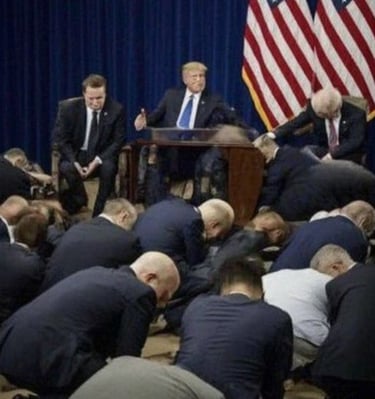
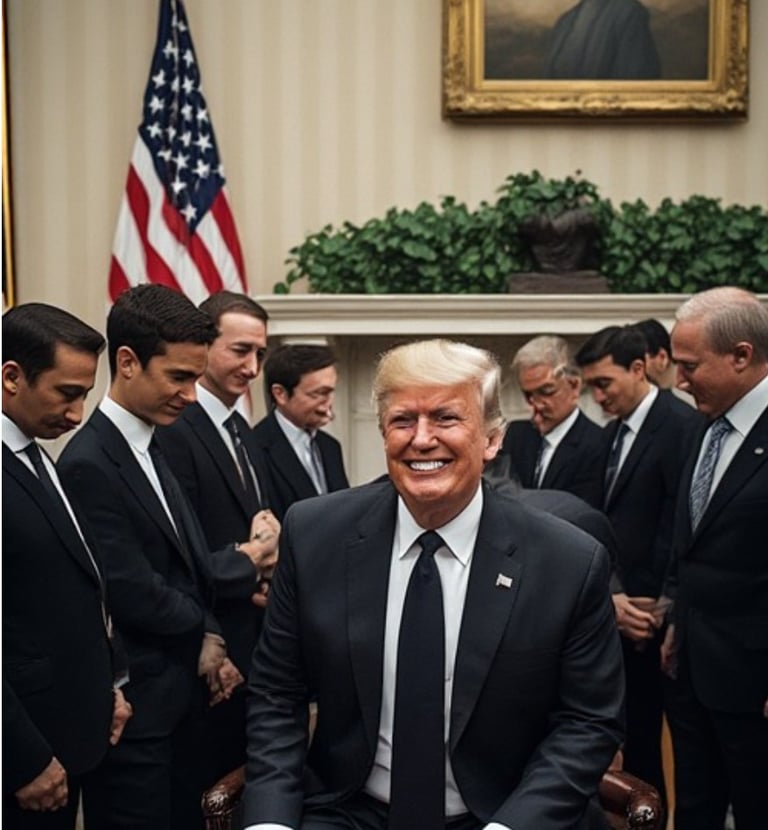
These images were created by a bot that’s currently repeating the third grade.
THE UNSUBSCRIBE NUMBERS
WE CAN EASILY HURT LARGE FIRMS AND REDIRECT THEIR FOCUS
Video Streaming (61%–90% of households): Netflix (used by 72%), Amazon Prime Video (67%), Hulu (52%), and Disney+ (48%) are the market leaders.
Retail/Delivery (72%): Amazon Prime is the dominant retail service, often kept for fast, free shipping.
Music/Audio (48%–60%): Spotify and Apple Music are the most common audio platforms.
Digital/Cloud Storage (34%): Subscriptions like iCloud, Google Cloud, or Dropbox are popular for data management.
Key Trends:
Spending: Americans spend an average of $90–$100+ per month on subscriptions.
Most Subscribed Demo: Millennials tend to pay the most for subscriptions, averaging over $100 per month.
High Usage: Over 84% of consumers subscribe to at least one service, with 44% holding 5 or more.
SO
Average Monthly Spend: $90–$91 for many, but comprehensive studies indicate the true cost is closer to $219/month.
This does not include Uber, Doordash, AIRBNB, VRBO and others.
Giving up some of these subscriptions will save you serious money, too.
Let's assume that you are an average American and you give up half of your subscriptions which would equal;
$90 per month ÷ 2 X 12 months = $540
$540 X 100,000 ppl = $54,000,000
$540 X 100,000,000 ppl = $54,000,000,000
NOW WE HAVE THEIR ATTENTION ! ! !
Now let's take it one step further.
Delay big purchases!
Hold off on the purchase of that new cell phone, automobile, laptop, computer, big screen tv, or other big ticket item.


Now we're talking trillions of dollars!

But why should we starve the largest corporations in the world?
The shift in power from voters to corporations is the result of decades of legal changes and economic consolidation. Below is an explanation of why this happened and how the "Resist and Unsubscribe" model aims to reverse it.
Why Officials are More Beholden to Corporations
Campaign Finance (The Cost of Winning): Modern elections are incredibly expensive. Since the Supreme Court’s Citizens United ruling (2010), corporations can spend unlimited amounts through Super PACs to support or attack candidates. Because politicians need this "dark money" to stay competitive, they are incentivized to prioritize the policy interests of their largest donors over the needs of their voters.
The "Revolving Door": Many elected officials and their staffers view government service as a stepping stone to lucrative careers as corporate lobbyists. If a politician passes laws that hurt a specific industry, they effectively "burn the bridge" to a high-paying future job in that sector.
Lobbying Infrastructure: Corporations employ thousands of professional lobbyists who provide "legislative subsidies"—they often write the actual text of bills and provide the research that underpins them. Busy officials often rely on this "pre-packaged" legislation because they lack the staff or resources to draft complex policy themselves.
How a "Monetary Strike" & "Unsubscribe Campaign" Works
The concept of a monetary strike (popularized recently by figures like NYU Professor Scott Galloway) is based on the idea that corporations are the only entities that politicians actually fear. The goal is to use consumers' economic power to force corporations to act as "proxies" for the people.
1. Targeting the "Valuation Gap"
Large tech companies (like the "Magnificent 7": Apple, Microsoft, Amazon, Alphabet, Meta, Nvidia, Tesla) have stock prices that are "priced to perfection." This means their value is based on the expectation of constant, uninterrupted growth.
The Lever: If even 3–5% of users unsubscribe or stop spending, it doesn't just lower revenue; it signals a "growth slowdown."
The Result: This can cause a massive drop in stock price (billions in market cap). CEOs, whose compensation is usually tied to stock performance, will panic.
2. Redirecting Corporate Attention
When a corporation’s bottom line is threatened by consumer anger, their internal math changes:
Old Math: "It’s cheaper to lobby the government for tax breaks than to worry about what consumers think of our politics."
New Math: "Our stock is tanking because our customers are leaving. We need to use our massive lobbying power to tell the government to change course so our customers come back."
3. Why it’s more effective than a "Protest"
Standard protests are easy for politicians to ignore because they only happen once every few years at the ballot box. A monetary strike is a "daily vote."
Speed: Corporations react to market data in real-time, whereas governments react over years.
Efficiency: You don't need to convince a majority of the country to participate. You only need to convince enough people to shave a few percentage points off a company's growth rate to trigger a board-room crisis.
Summary
By unsubscribing, you aren't just "quitting a service"; you are withdrawing the capital that gives these companies their political leverage. When the money stops, the corporations stop "bowing" to the government and start "lobbying" the government on behalf of the consumers they desperately need to win back.
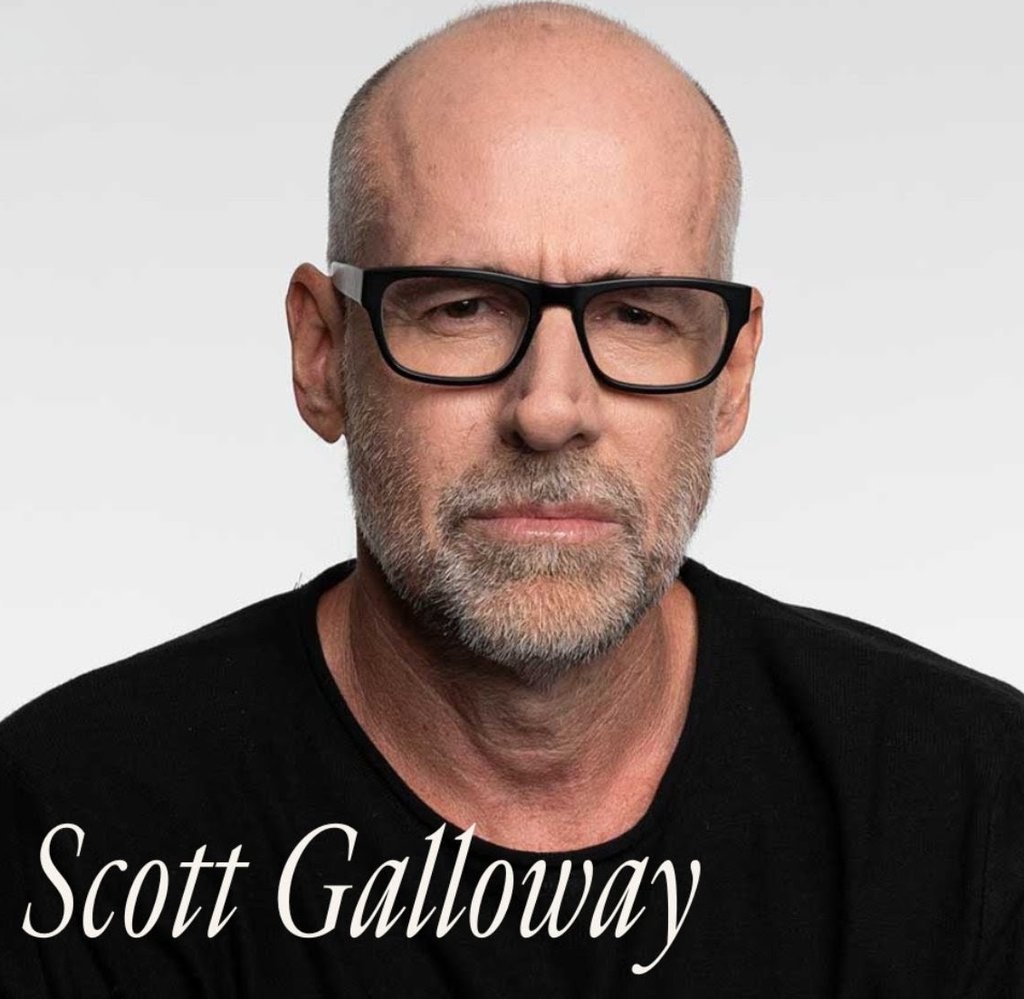
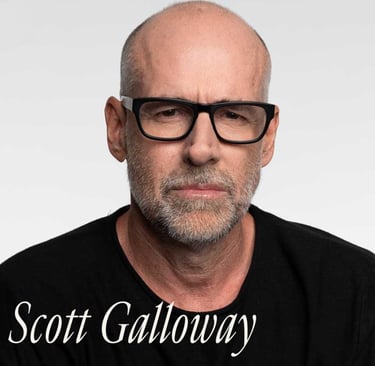
Click on Scott Galloway's image to learn more about the "Resist and Unsubscribe" Movement. He is our creative spark.
Here's Something To Just To Piss You Off
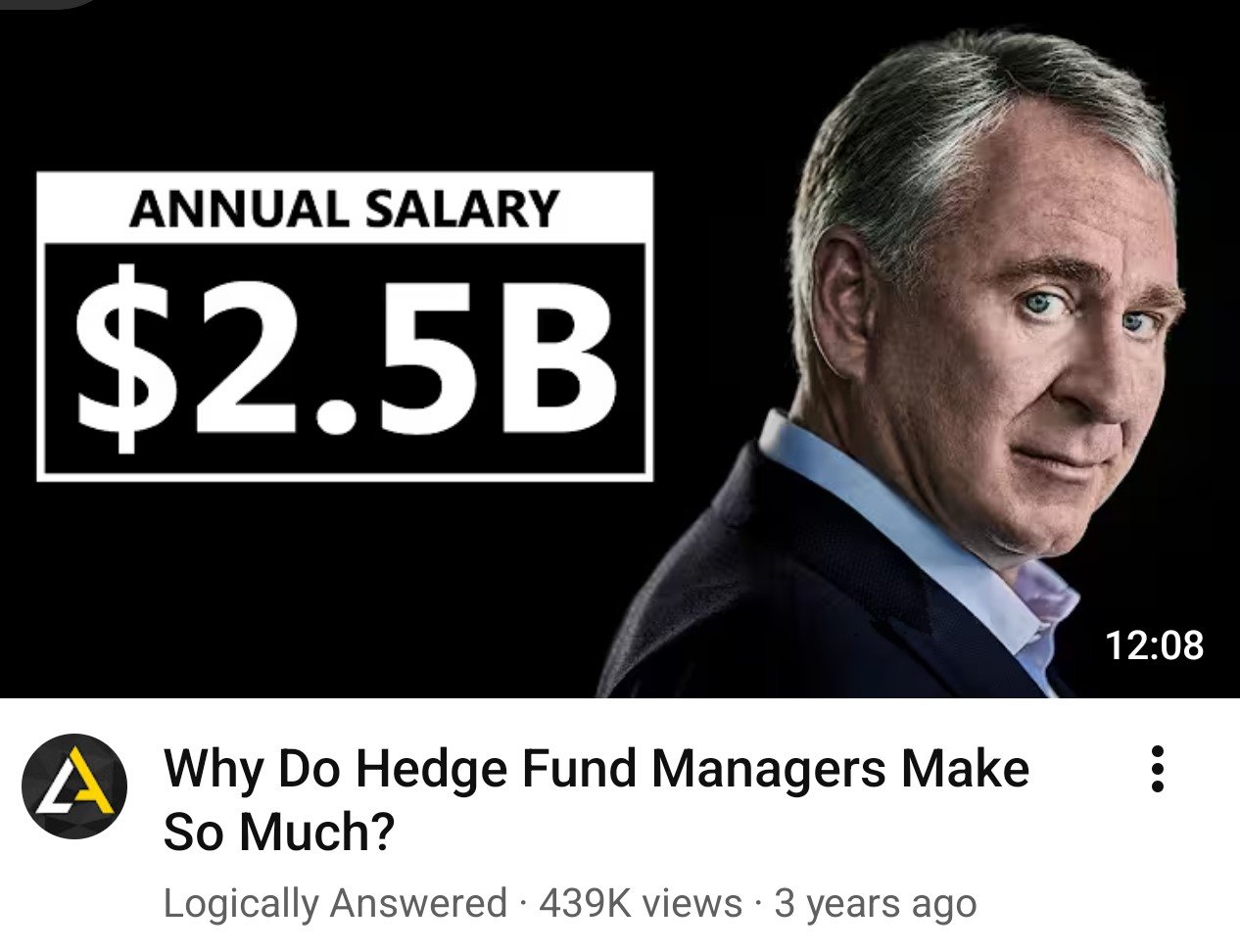
Do you plan on using Social Security when you retire? This hedge fund manager only pays SS taxes on the first $184,000 of his $2.5 billion in annual income. Yet our Social Security program is going broke. Tap his smug face to see how he makes billions while his fund trails the S&P 500 some years.
UNPLUG, UNSUBSCRIBE AND STARVE THE MAG 7


PLEASE SHARE THIS WIDELY
THANK YOU
© 2025. All rights reserved.